
Lithium batteries for residential solar self-consumption
Lithium batteries for self-consumption allow energy generated by solar panels to be stored and used when photovoltaic production is insufficient or during the night. Thanks to their high efficiency, long lifespan and excellent storage capacity, they have become the preferred solution for residential solar installations.
These batteries help maximize the use of energy produced by photovoltaic systems, reducing dependence on the electrical grid and increasing household energy savings.
Why install a lithium battery in your home?
A lithium battery allows excess solar energy generated during the day to be stored and used later, significantly increasing the percentage of self-consumed energy.
- Greater energy independence
- Lower electricity bills
- Storage of excess solar production
- Backup power during outages
- Higher efficiency than traditional technologies
Typical applications
- Single-family homes
- Residential solar installations
- Grid-connected self-consumption systems
- Off-grid installations
- Holiday homes
- Country houses
- Backup energy systems
- Photovoltaic surplus storage
Advantages of lithium batteries for solar energy
High energy efficiency
Lithium batteries allow a greater percentage of stored energy to be used compared to other battery technologies.
Long service life
Designed to withstand thousands of charge and discharge cycles while maintaining excellent performance.
Low maintenance
They require minimal maintenance and provide high reliability throughout their service life.
Greater depth of discharge
They allow a larger percentage of stored energy to be used without significantly affecting battery lifespan.
How to choose a lithium battery for self-consumption
Before selecting a battery, it is recommended to evaluate:
- Daily household energy consumption
- Available photovoltaic production
- Inverter power rating
- Required storage capacity
- Need for backup power
- Future expansion possibilities
Compatibility with solar inverters
Modern lithium batteries are compatible with many leading inverter manufacturers and energy storage systems, including Victron Energy, GoodWe, Deye, Solis, Huawei, Growatt and other major brands in the solar sector.
What users look for today in a lithium battery for self-consumption
- Higher energy savings
- Protection against power outages
- Greater grid independence
- Compatibility with hybrid inverters
- Future scalability
- Long service life
Frequently asked questions
Can I install a lithium battery in an existing solar system?
Yes. In many cases, energy storage can be added to an existing photovoltaic installation using compatible equipment.
What battery capacity do I need for my home?
The required capacity depends on daily energy consumption, installed photovoltaic power and your self-consumption objectives.
Can lithium batteries provide backup power during outages?
Yes, provided the system includes a compatible inverter and backup configuration.
How long can a lithium battery last?
Depending on the technology and usage conditions, lithium batteries can deliver thousands of cycles and many years of reliable service.
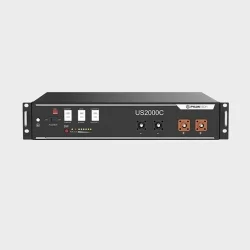
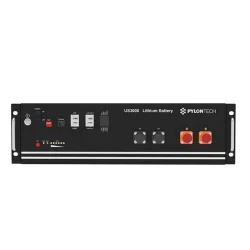
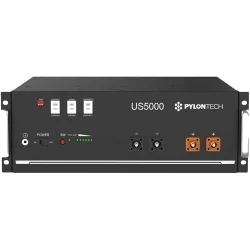
Pylontech US5000 Lithium Battery 48V 4.8kWh
Ah
V
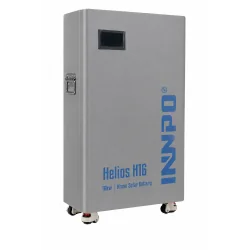
INNPO Helios H16 16kWh LiFePO4 Lithium Battery for Solar...